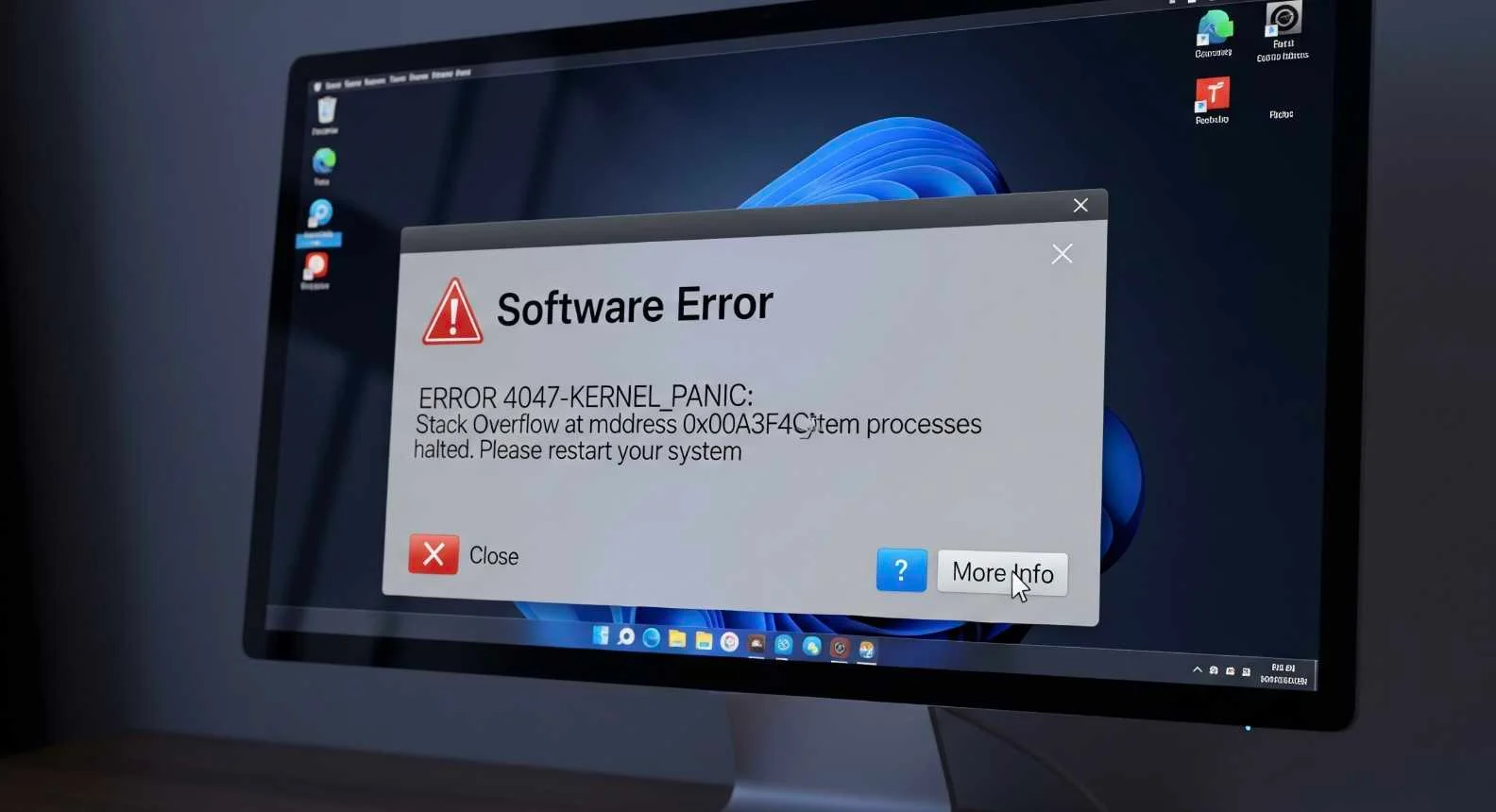
The increasing digitization of industrial operations and critical infrastructure has created new vulnerabilities where software failures can have catastrophic consequences for public safety, economic stability, and national security. Among the most concerning system failures affecting industrial environments, winobit3.4 software error has emerged as a critical issue impacting manufacturing systems, power generation facilities, and essential infrastructure operations.
This comprehensive industrial systems analysis examines the causes, consequences, and mitigation strategies for winobit3.4 software error conditions in critical infrastructure environments. Understanding these failure mechanisms enables industrial engineers and safety professionals to implement robust protection measures while maintaining operational reliability and public safety standards.
Critical Infrastructure Impact Assessment and Safety Analysis
The winobit3.4 software error in industrial control systems poses significant risks to critical infrastructure operations where software failures can trigger cascade effects across interconnected systems, potentially affecting power grids, water treatment facilities, and transportation networks.
Safety-critical system analysis reveals that winobit3.4 software error conditions can bypass safety interlocks and protective systems designed to prevent hazardous conditions. These safety system failures create potential for catastrophic incidents including equipment damage, environmental releases, and personnel injuries.
When evaluating winobit3.4 software error impact on critical infrastructure, the interconnected nature of modern industrial systems amplifies failure consequences beyond individual facilities to affect regional and national infrastructure networks. These systemic risks require comprehensive analysis and coordinated response planning.
Hazard and operability studies identify specific scenarios where winobit3.4 software error conditions could lead to process upsets, equipment failures, or safety system bypasses that exceed design safety margins and create unacceptable risk levels.
Industrial Control System Architecture and Vulnerability Points
Modern industrial facilities utilize complex supervisory control and data acquisition systems where winobit3.4 integration creates multiple potential failure points that can compromise operational control and safety system functionality.
Programmable logic controller interfaces with winobit3.4 create critical dependency relationships where software errors can disrupt automated control sequences, safety shutdown systems, and process monitoring capabilities essential for safe operation.
Human-machine interface failures resulting from winobit3.4 software error conditions can blind operators to critical process conditions while preventing manual intervention during emergency situations. These interface failures represent significant safety vulnerabilities.
Distributed control system integration exposes winobit3.4 software error effects across multiple control loops and safety systems, potentially causing simultaneous failures that overwhelm operator response capabilities and backup protection systems.
Process Safety Management and Error Prevention
Comprehensive process safety management systems address winobit3.4 software error risks through systematic hazard analysis, safety system design, and operational procedures that prevent software failures from creating unacceptable safety risks.
Management of change procedures ensure that winobit3.4 updates and modifications undergo thorough safety analysis and testing before implementation in safety-critical applications. These procedures prevent introduction of new hazards through software changes.
Pre-startup safety reviews validate winobit3.4 integration with safety systems while ensuring that software modifications do not compromise protective system functionality or create new failure modes that could affect process safety.
Process hazard analysis specifically examines winobit3.4 software error scenarios while identifying potential consequences and required safeguards to maintain acceptable risk levels throughout all operating conditions.
Emergency Response and Crisis Management Protocols
Industrial facilities require specialized emergency response procedures that address winobit3.4 software error conditions while coordinating with local emergency services, regulatory authorities, and corporate crisis management teams to minimize incident consequences.
Emergency shutdown procedures account for winobit3.4 software error conditions that may prevent normal shutdown sequences while ensuring safe facility de-energization through manual backup systems and emergency response protocols.
Personnel evacuation planning considers scenarios where winobit3.4 software error conditions could compromise facility alarm systems, communication networks, or access control systems that normally support orderly evacuation procedures.
External emergency coordination protocols ensure effective communication with fire departments, hazardous materials teams, and emergency management agencies during incidents involving winobit3.4 software error conditions that create public safety risks.
Regulatory Compliance and Industry Standards
Industrial winobit3.4 implementations must comply with numerous safety regulations and industry standards including OSHA process safety management, EPA risk management programs, and industry-specific safety codes that govern software safety requirements.
Safety instrumented system standards including IEC 61508 and IEC 61511 establish requirements for winobit3.4 integration with safety-critical applications while defining safety integrity levels and failure rate requirements for software components.
Cybersecurity regulations including NERC CIP for electric utilities and TSA pipeline security directives establish requirements for protecting winobit3.4 systems from cyber threats that could compromise critical infrastructure operations.
Environmental compliance programs ensure that winobit3.4 software error conditions cannot cause environmental releases or permit violations that would result in regulatory enforcement actions or environmental damage.
Maintenance and Reliability Engineering Approaches
Predictive maintenance programs utilize advanced monitoring techniques to identify precursor conditions that may lead to winobit3.4 software error events while enabling proactive intervention before failures affect critical operations.
Reliability-centered maintenance analysis evaluates winobit3.4 failure modes and their consequences while developing maintenance strategies that optimize system availability and safety performance through risk-based maintenance planning.
Condition monitoring systems continuously track winobit3.4 performance parameters including response times, error rates, and resource utilization to identify degradation trends that could lead to software failure conditions.
Preventive maintenance procedures specifically address winobit3.4 software components through regular updates, configuration validation, and system testing that maintains optimal performance and prevents age-related degradation.
Redundancy and Backup System Design
Critical infrastructure applications require redundant winobit3.4 configurations that maintain operational capability during software error conditions while providing seamless failover to backup systems without compromising safety or operational continuity.
Hot standby systems provide immediate replacement capability when primary winobit3.4 systems experience error conditions while maintaining synchronized state information and configuration data that enables seamless transition.
Diverse redundancy utilizes different software architectures and hardware platforms to prevent common-mode failures that could affect multiple winobit3.4 systems simultaneously during widespread error conditions.
Manual backup procedures enable continued operation when winobit3.4 software error conditions affect all automated systems while ensuring that operators can maintain safe facility conditions through manual control methods.
Human Factors and Operator Training Requirements
Industrial operators require specialized training to recognize and respond appropriately to winobit3.4 software error conditions while maintaining situation awareness and implementing correct response procedures under high-stress emergency conditions.
Simulator-based training programs recreate winobit3.4 software error scenarios in realistic training environments while enabling operators to practice response procedures without risking actual facility safety or operations.
Competency assessment programs validate operator capabilities to handle winobit3.4 software error conditions while ensuring that training programs effectively prepare personnel for emergency response situations.
Continuous learning programs keep operators current with evolving winobit3.4 technologies and error patterns while incorporating lessons learned from industry incidents and near-miss events into training curricula.
Supply Chain Security and Vendor Management
Critical infrastructure facilities must implement comprehensive vendor management programs that ensure winobit3.4 suppliers maintain adequate security practices and provide reliable support for safety-critical applications.
Security clearance requirements for winobit3.4 vendors and support personnel ensure that only trustworthy individuals have access to critical infrastructure systems while preventing potential insider threats or foreign adversary access.
Supply chain risk assessment evaluates potential vulnerabilities in winobit3.4 development, manufacturing, and distribution processes while identifying mitigation strategies for supply chain compromise scenarios.
Vendor audit programs verify supplier security practices and quality management systems while ensuring that winobit3.4 components meet stringent reliability and security requirements for critical infrastructure applications.
International Cooperation and Information Sharing
Critical infrastructure protection requires international cooperation to address winobit3.4 software error vulnerabilities that could affect multiple countries while sharing threat intelligence and best practices for infrastructure protection.
Information sharing agreements between government agencies and private sector operators facilitate rapid communication of winobit3.4 software error information while coordinating response efforts across organizational and national boundaries.
Joint research initiatives address common winobit3.4 vulnerability patterns while developing improved security and reliability measures that benefit entire industry sectors and national infrastructure systems.
Coordinated incident response protocols ensure effective communication and mutual assistance during major incidents involving winobit3.4 software error conditions that could affect regional or international infrastructure networks.
Technology Evolution and Future Resilience
Emerging technologies including artificial intelligence, edge computing, and quantum-resistant cryptography will influence future winobit3.4 implementations while creating new opportunities for improved reliability and security.
Digital twin technology enables comprehensive testing of winobit3.4 modifications in virtual environments while predicting failure modes and optimizing system configurations before implementation in critical infrastructure systems.
Machine learning applications can analyze winobit3.4 performance patterns to predict potential failure conditions while enabling proactive maintenance and optimization that prevents error conditions from developing.
Quantum computing advances will require quantum-resistant security measures for winobit3.4 systems while providing new computational capabilities that could improve system reliability and error detection.
Economic Impact Analysis and Risk Quantification
Winobit3.4 software error conditions in critical infrastructure can create significant economic impacts through production losses, equipment damage, environmental remediation costs, and regulatory penalties that affect both individual facilities and broader economic systems.
Business continuity planning quantifies potential losses from winobit3.4 software error conditions while developing strategies to minimize economic impact through backup systems, alternative supply chains, and rapid recovery procedures.
Insurance considerations include coverage for winobit3.4 software error incidents while working with insurers to understand policy limitations and requirements for risk management and incident response procedures.
National economic security analysis evaluates potential impacts from widespread winobit3.4 software error conditions while developing policies and procedures to maintain economic stability during critical infrastructure disruptions.
Research and Development Priorities
Continued research into winobit3.4 software error prevention and mitigation requires sustained investment in advanced materials, fault-tolerant architectures, and improved testing methodologies that enhance system reliability and safety.
Academic partnerships facilitate fundamental research into winobit3.4 reliability mechanisms while developing new theoretical frameworks and practical applications that improve critical infrastructure protection.
Government research programs support development of advanced winobit3.4 technologies while ensuring that national security and public safety considerations guide research priorities and technology transfer policies.
Industry collaboration initiatives pool resources for winobit3.4 research while sharing costs and benefits of advanced technology development across multiple organizations and industry sectors.
Conclusion
The winobit3.4 software error in critical infrastructure environments represents one of the most significant challenges facing modern industrial society, requiring comprehensive approaches that integrate technical solutions with organizational processes, regulatory compliance, and international cooperation. Success in managing these risks depends on sustained commitment to safety, security, and reliability across all stakeholders.
Effective protection against winobit3.4 software error conditions requires continuous vigilance, ongoing investment in advanced technologies, and coordinated response capabilities that address both current threats and emerging risks. These comprehensive approaches ensure that critical infrastructure systems continue providing essential services while maintaining public safety and national security in an increasingly complex technological environment.